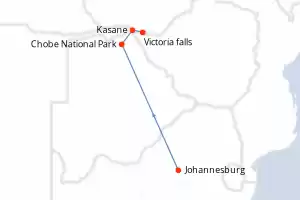
Itinerary : Johannesburg, Chobe National Park, Kasane, Victoria falls


6 other departures
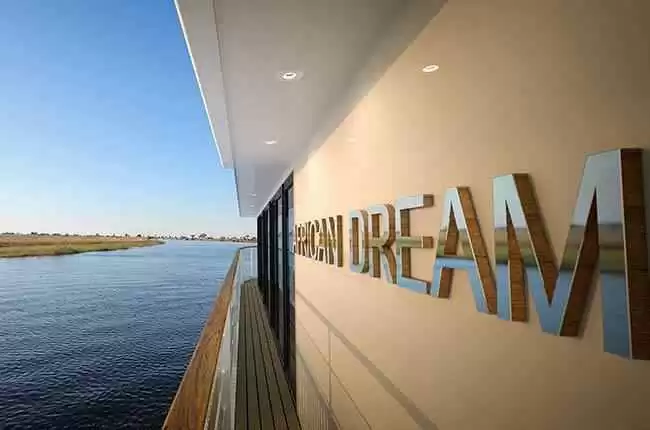
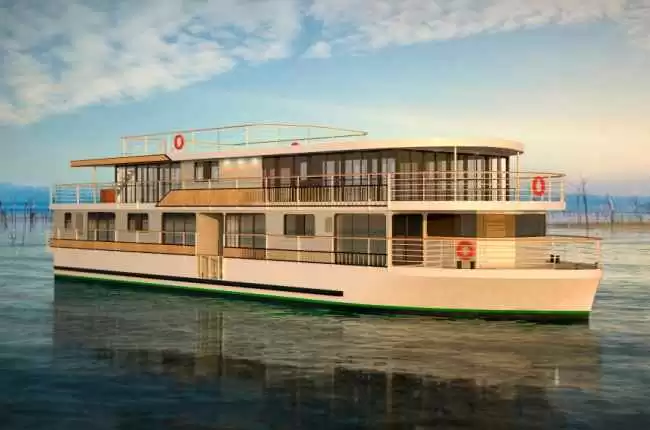
African Dream
9 d
Ocean view Stateroom
Johannesburg
12/03/2026
from
$ 7,159
Other departures:
Oct 25, 2026
03-06 Nov 2026
14-22-27 Dec 2026

2 cruises found
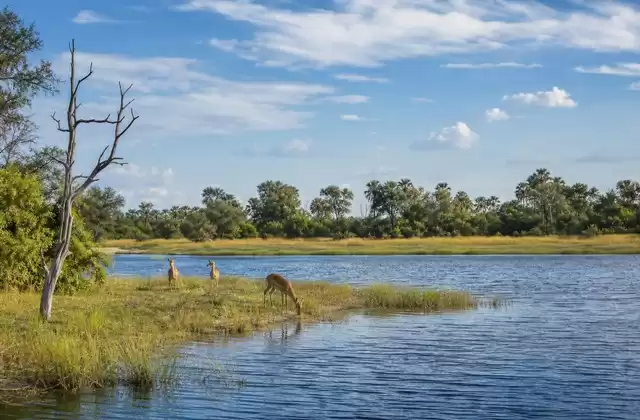
A cruise in Botswana unfolds far from seaports, following the rhythm of rivers, lagoons, and floodplains.
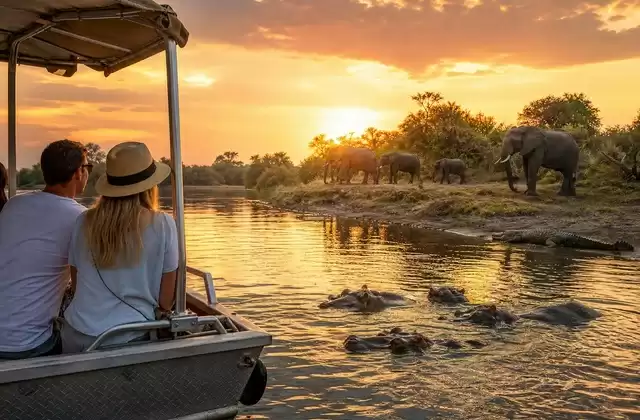
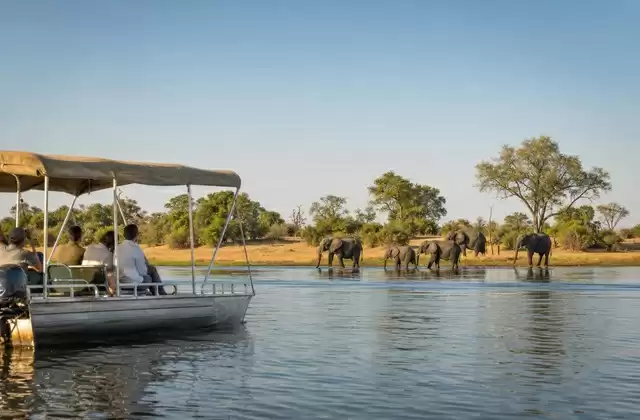
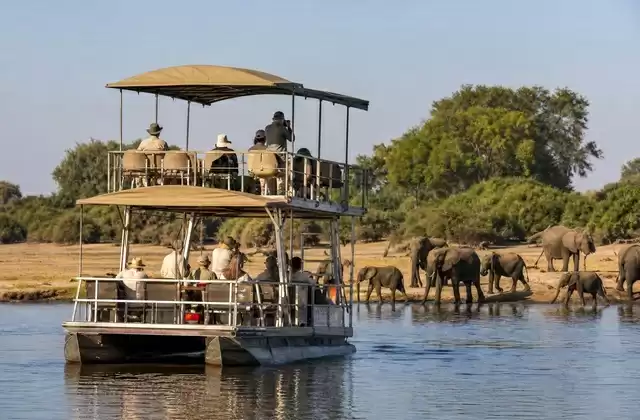
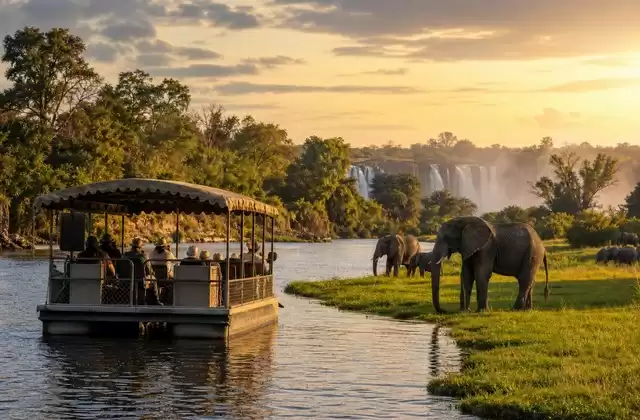
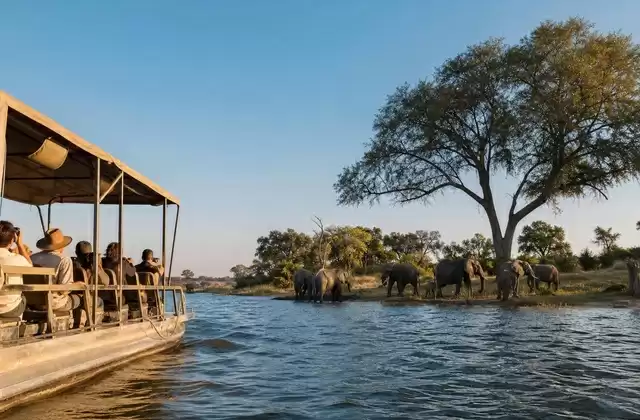
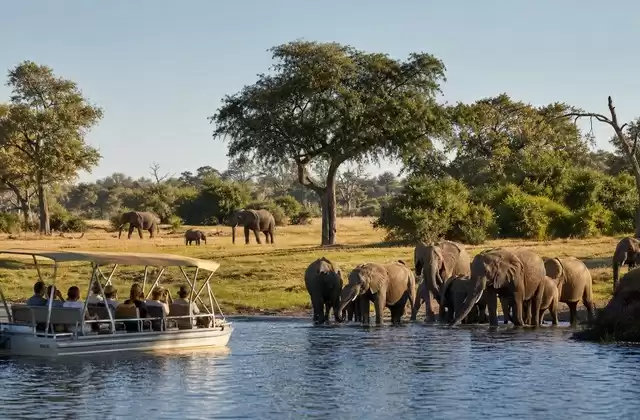
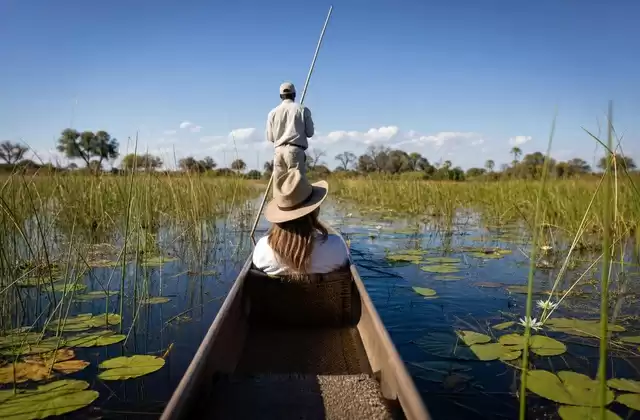
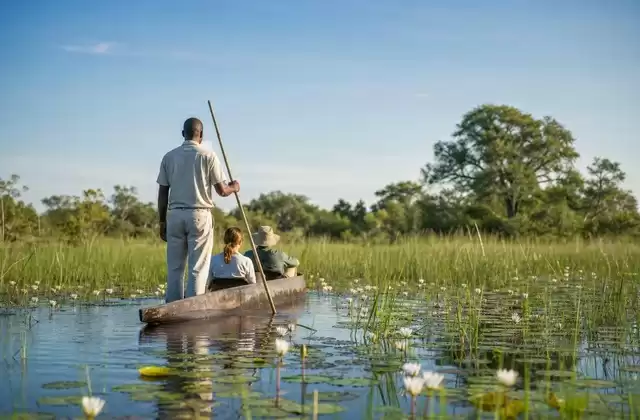
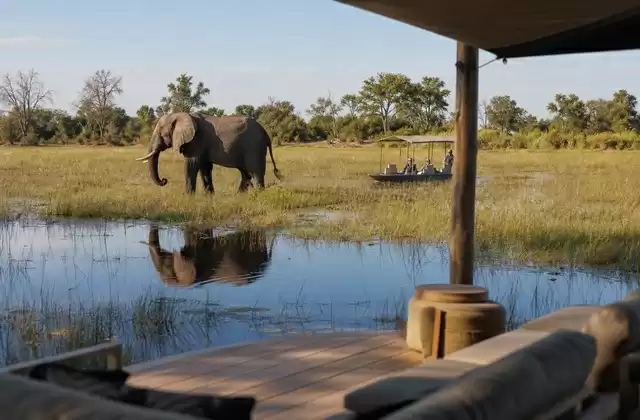
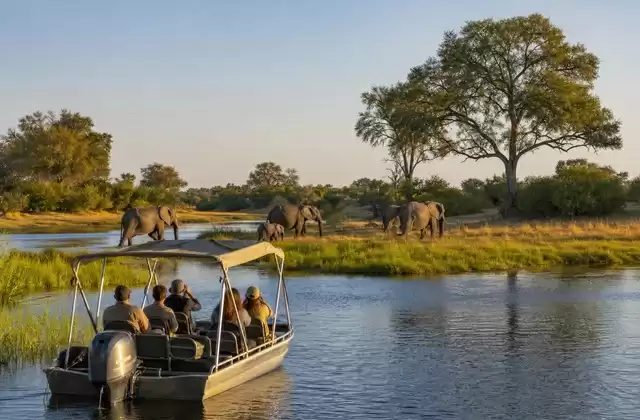
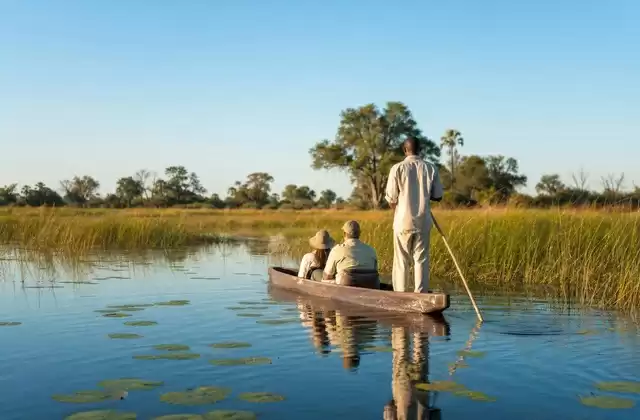
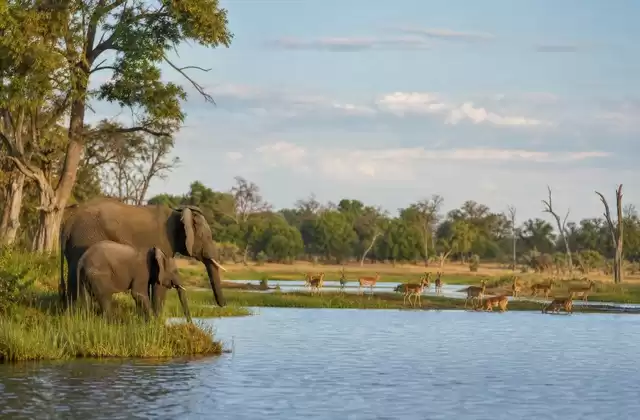
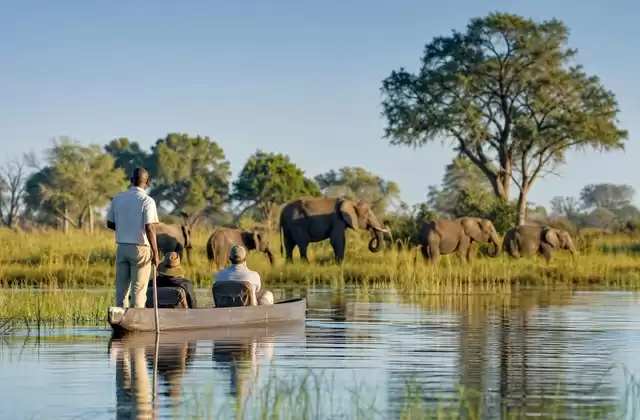
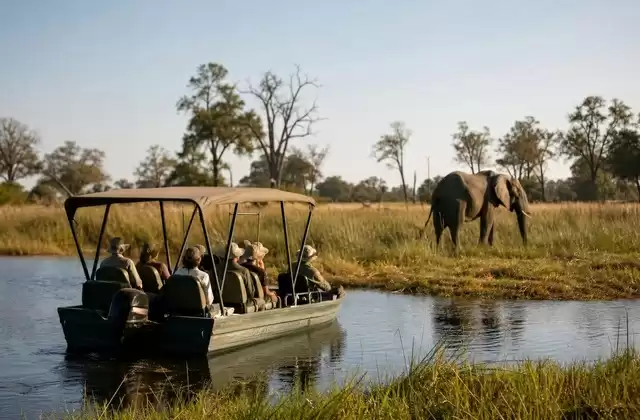
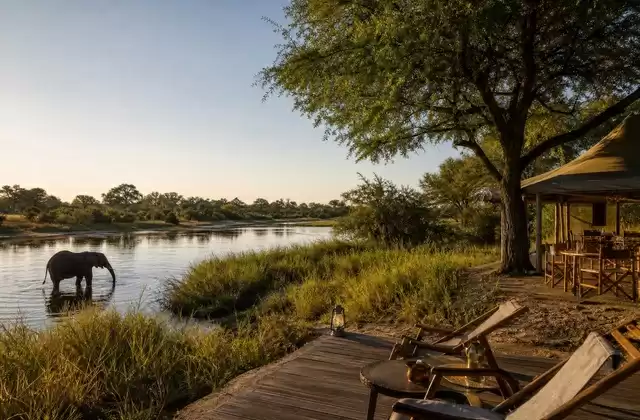
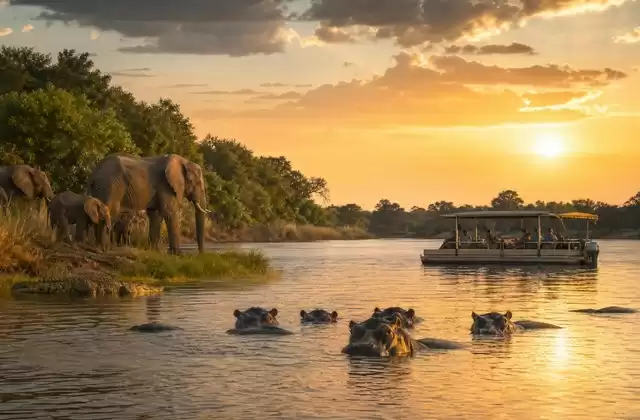
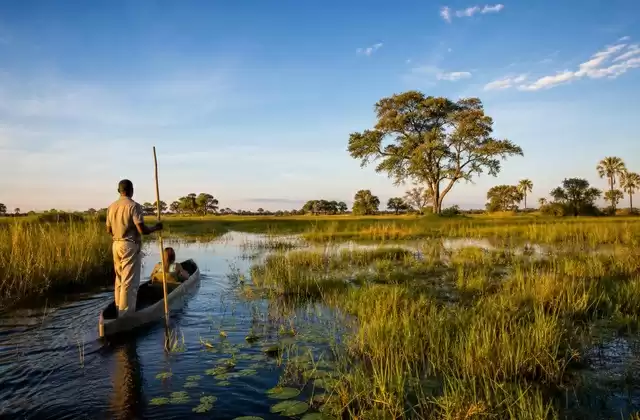
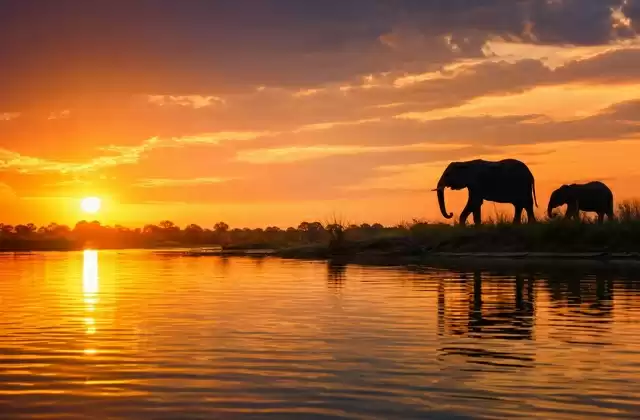
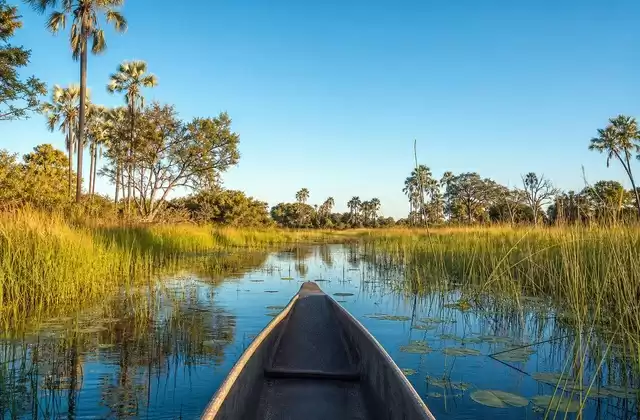
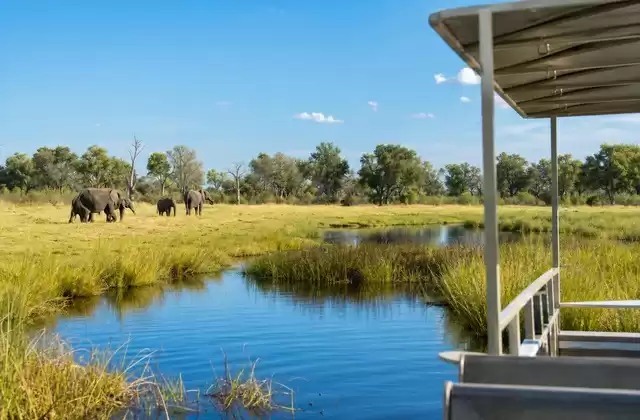
On the Chobe, watch elephants come to drink at sunset from a boat’s deck, while in the Okavango Delta a mokoro glides among reeds, water lilies, birds, and quiet channels.
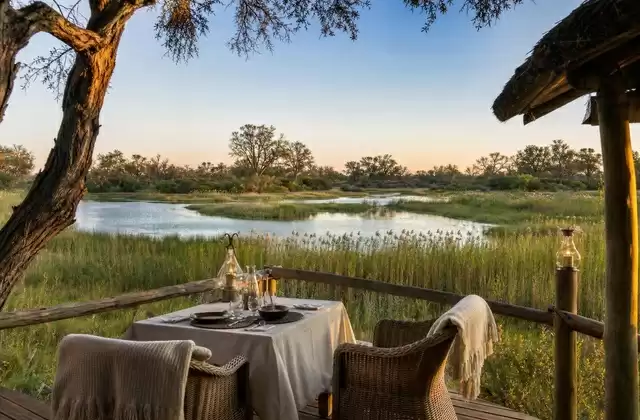
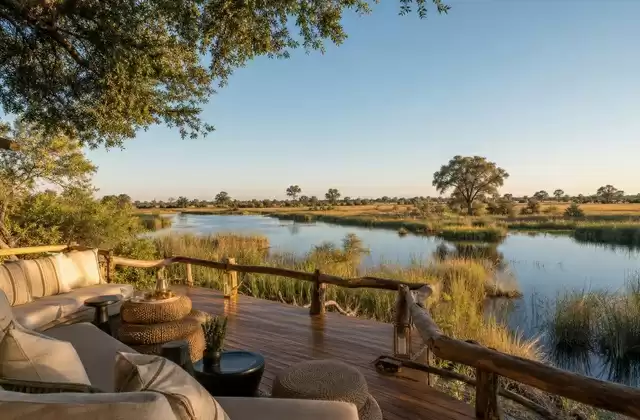
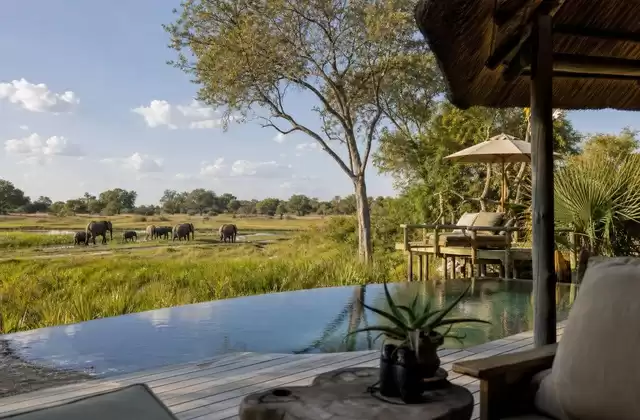
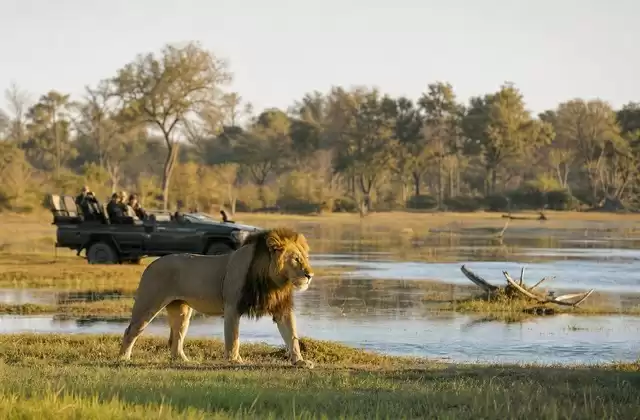
The journey combines safari, boating, lodges, sweeping landscapes, and wildlife for an experience unlike a traditional cruise: here, the water becomes a prime vantage point on Southern Africa.
Your search criteria:
Botswana
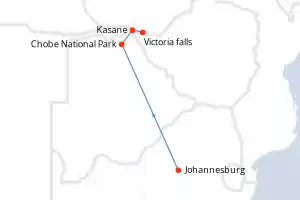
Itinerary : Johannesburg, Chobe National Park, Kasane, Victoria falls


6 other departures
African Dream
9 d
Ocean view Stateroom
Johannesburg
12/03/2026
from
$ 7,159
Other departures:
Oct 25, 2026
03-06 Nov 2026
14-22-27 Dec 2026
Itinerary : Johannesburg, Chobe National Park, Kasane, Victoria falls


3 other departures
Zimbabwean Dream
9 d
Ocean view Stateroom
Johannesburg
12/07/2026
from
$ 7,159
Other departures:
Oct 29, 2026
Nov 19, 2026
Dec 01, 2026
| Season | Weather & swimming conditions | Expert advice |
|---|---|---|
April | A transitional month between the green and dry seasons. Rainfall decreases, temperatures become more comfortable, and the first inflows of water signal the approach of the delta season. | A good option for travelers who want to avoid peak-season crowds while still enjoying a beautiful variety of landscapes. |
May - August The most sought-after period for waterways and wildlife. Water from Angola gradually fills the delta, conditions become more favorable for mokoro and boat excursions, and temperatures often remain pleasant. The best choice for combining Chobe, Okavango, and Moremi with good conditions for wildlife viewing and boating. | ||
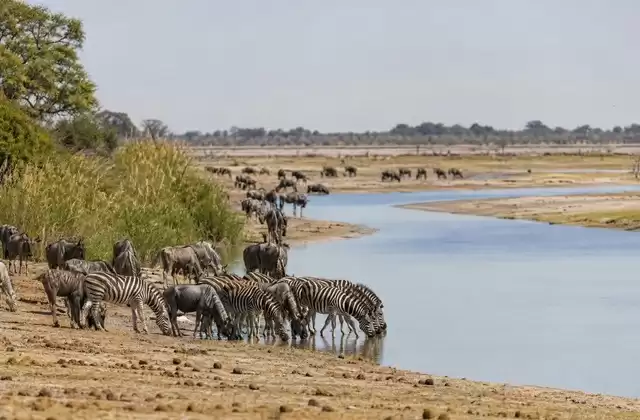
September - October | Wildlife is highly concentrated, but the heat is more intense. Animals gather around watering holes, especially in Chobe, while temperatures can climb considerably. | Excellent for wildlife viewing if you can handle the heat. Prioritize outings in the early morning and late afternoon. |
November - March | Greener landscapes, abundant birdlife, and newborn animals. Rain transforms the scenery, the light can be superb, and rates are sometimes lower, but some tracks become more difficult. | A good option for birders and photography enthusiasts seeking a more secluded atmosphere, but less ideal if boating through flooded areas is your priority. |
In Botswana, the major highlights center on water and wildlife: rivers, the delta, channels, salt pans, and lodges all provide vantage points over remarkably varied landscapes.

Chobe River
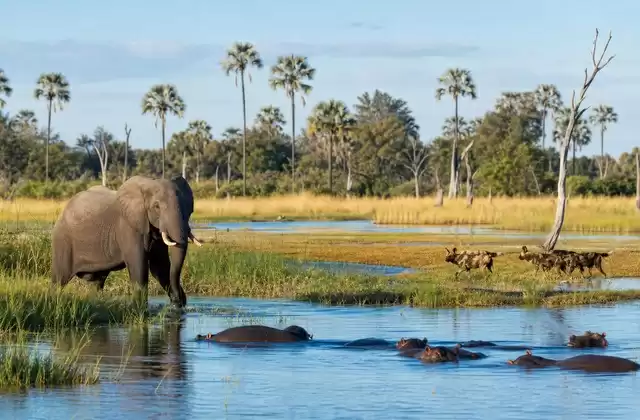
For safari cruises, elephants along the banks, hippos, crocodiles, and sunsets.

Okavango Delta
For mokoro trips, channels, lagoons, and the unique experience of a delta in the heart of the Kalahari.

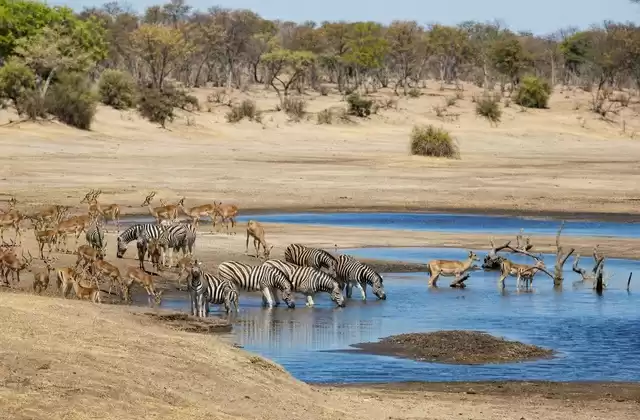
Boteti River
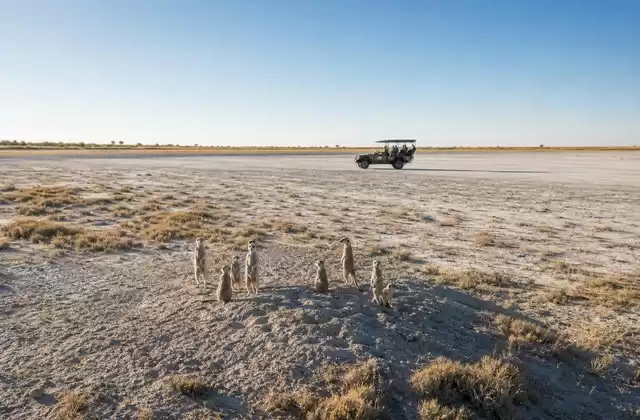
For a drier, more contrasting experience, with wildlife gathering around the water in season.

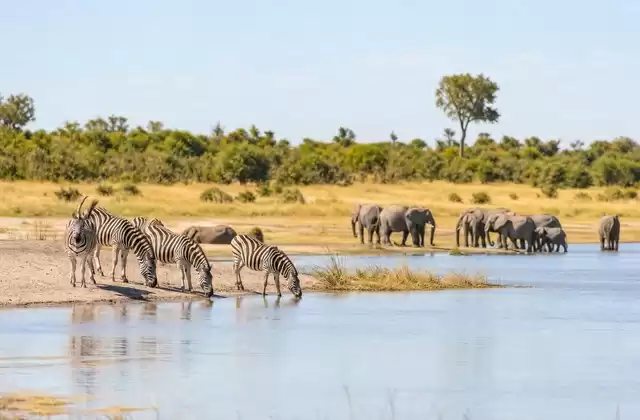
Chobe National Park
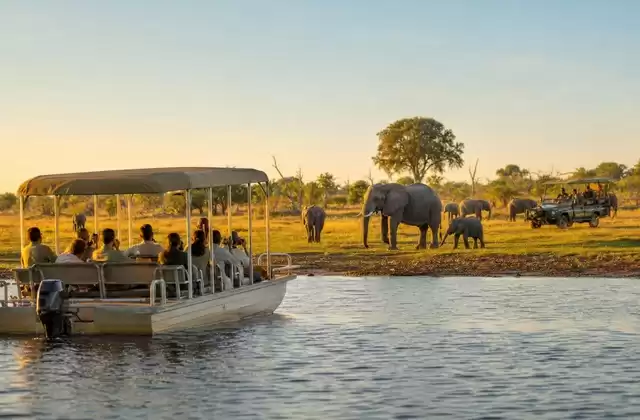
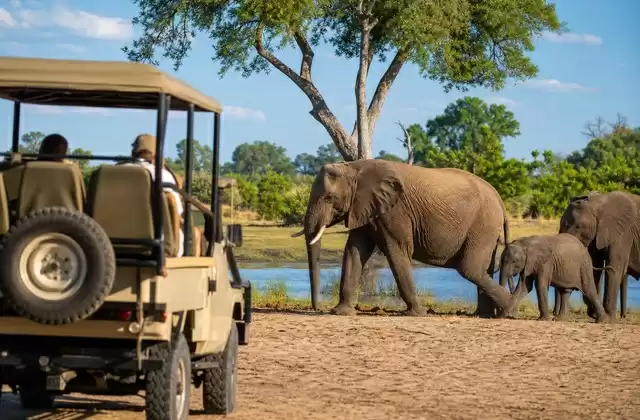
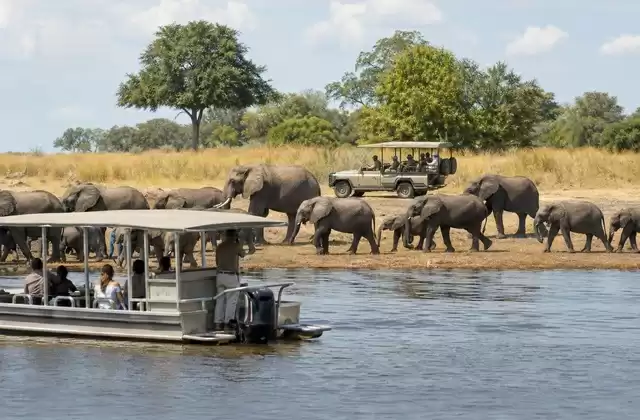
For large herds of elephants, easy safaris from Kasane, and a combination of boat trips + 4x4 excursions.

Moremi Game Reserve
For abundant wildlife, varied landscapes, and possible predator sightings in a delta setting.

Khwai River
For a more immersive experience combining the river, savanna, camps, and varied wildlife sightings.

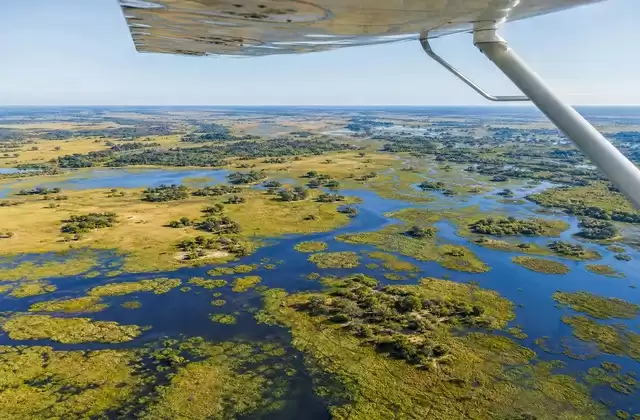
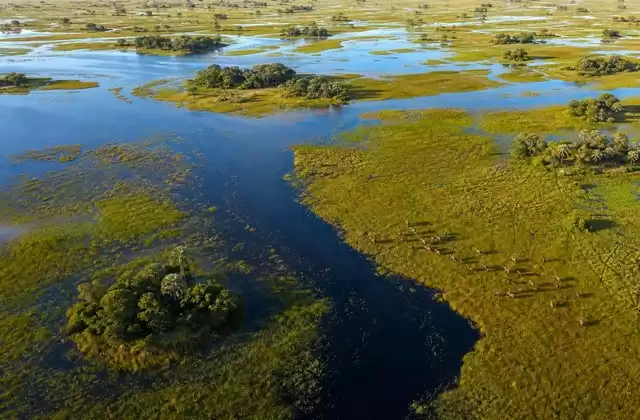
Flight over the Okavango
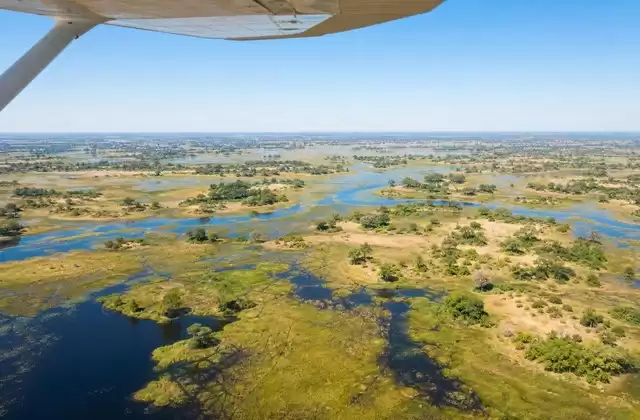
For the patterns traced by the channels, the islands, lagoons, and herds seen from the sky.

Sunset on the Chobe
For elephant silhouettes, reflections, and warm light on the river.

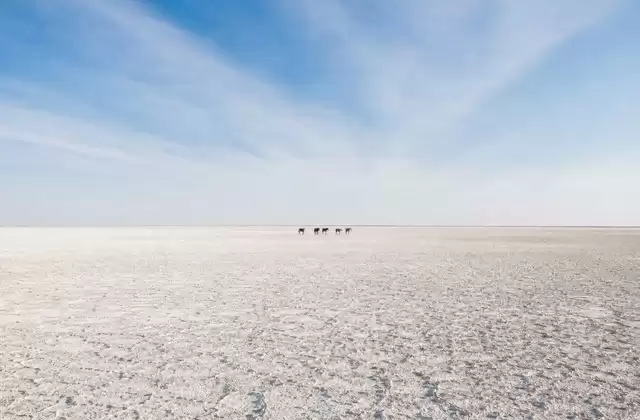
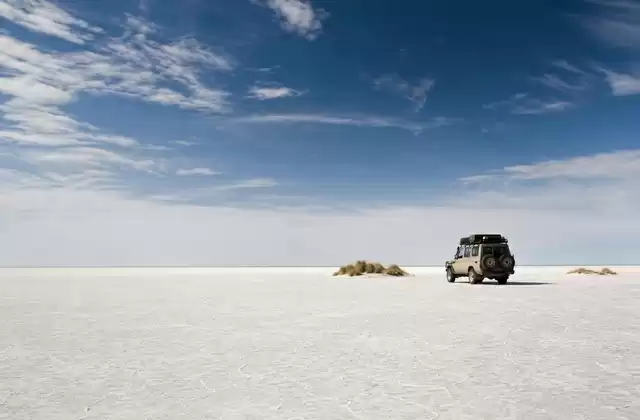
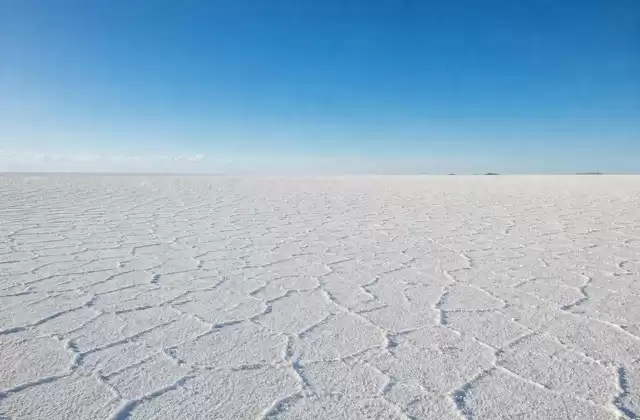
Makgadikgadi Pans
For salt-white horizons, minimalist lines, and a sense of infinite space.

Mokoro in the Okavango
For a slow, quiet, up-close encounter with the delta's plants, birds, and subtle movements.

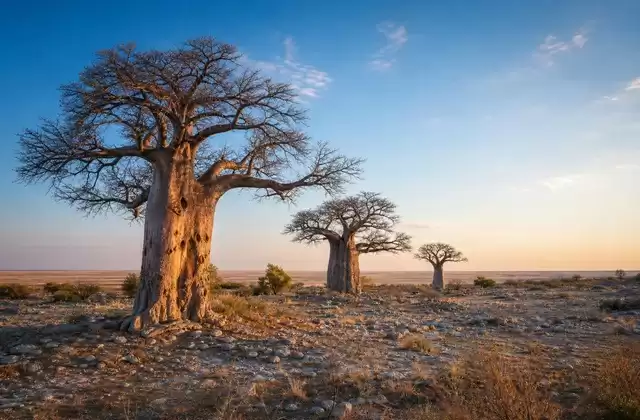
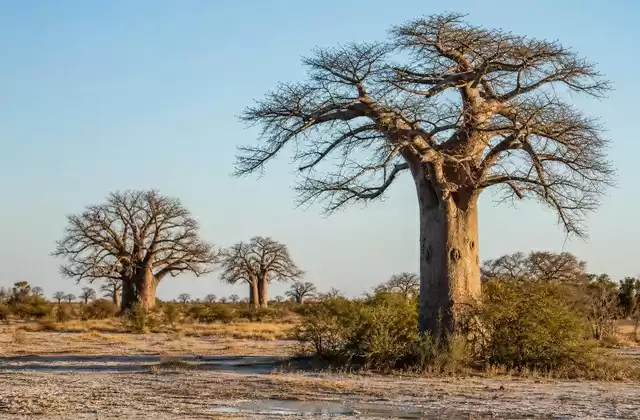
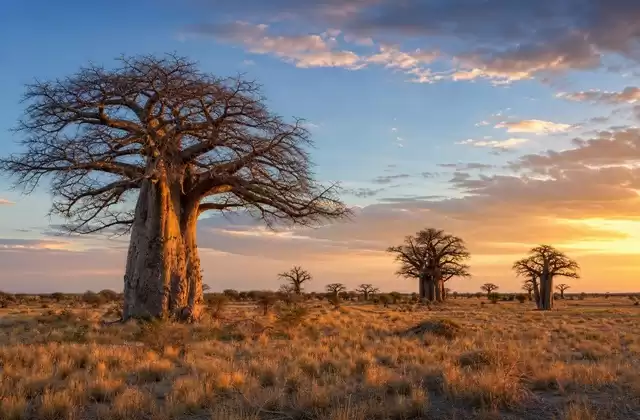
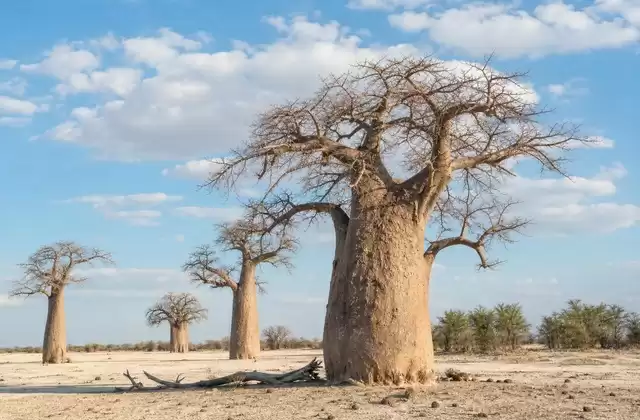
Nxai Pan baobabs
For monumental trees and a starker side of Botswana.

Savuti Marshes
For a wilder extension in Chobe, known for its dry landscapes and occasionally spectacular wildlife.
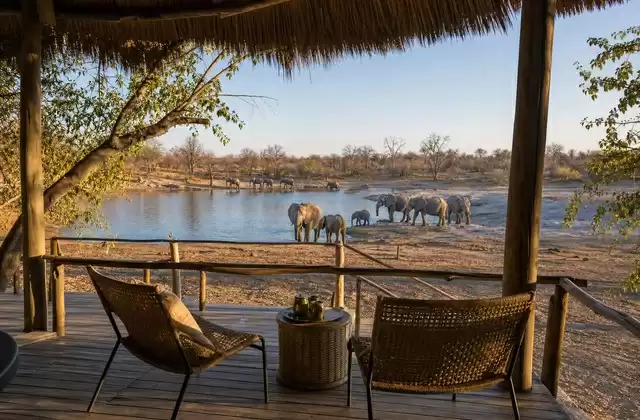
Watch elephants from a boat on the Chobe
Cruising the Chobe River is often one of the trip’s most powerful moments. Travelers enjoy watching elephants come to drink, cross the water, or gather along the banks from a perspective unlike that of a 4x4 safari.
Glide by mokoro through the Okavango channels
A mokoro reveals the delta at its quietest. Travelers love moving at water level among reeds, water lilies, frogs, birds, and animal tracks at a pace that invites a different way of seeing.
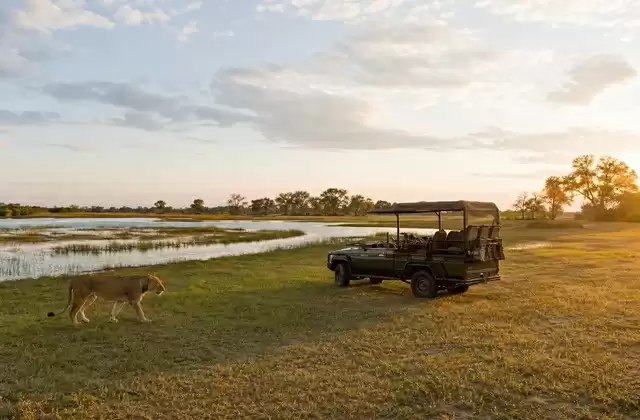
Alternate a boat safari with a game drive in Chobe
Chobe lets travelers vary their perspective without leaving the region. The boat offers views of wildlife from the river, while the park’s tracks provide access to inland plains, forests, and large herds.
Fly over the Okavango from Maun to see the delta from above
A flight over the delta offers an immediate sense of the Okavango’s scale. Travelers love seeing channels trace lines across the Kalahari and spotting islands, lagoons, and sometimes herds before returning to the water at mokoro level.
Follow the Khwai River for a more intimate safari atmosphere
Khwai often appeals to travelers seeking a less standardized experience. The river attracts wildlife, camps stay close to nature, and days can alternate between watching animals by the water, exploring sandy tracks, and enjoying quieter moments at camp.
Change the scenery at the Makgadikgadi salt pans
After the channels and rivers, Makgadikgadi brings a dramatic change of scenery. Travelers appreciate the white horizons, baobabs, expansive light, and sense of open space that perfectly complements the water-rich landscapes of northern Botswana.
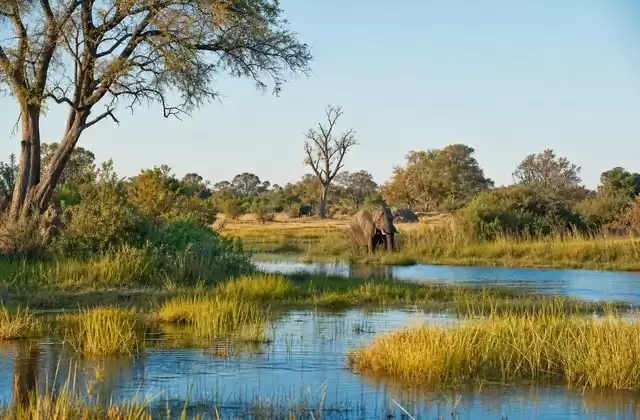
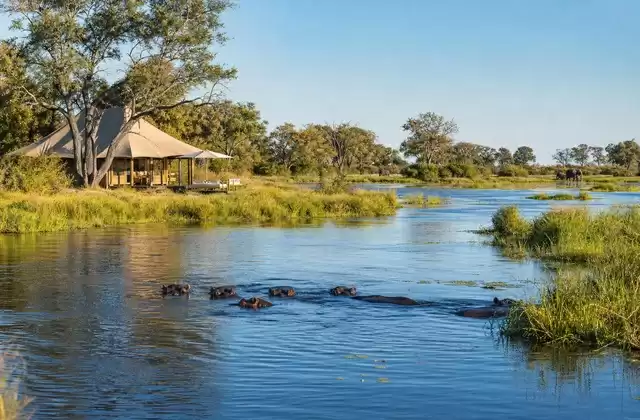
Chobe’s broad channel shapes the classic scene: tawny floodplains on one side, Namibia’s Caprivi on the other, and islands where elephants graze, drink, and sometimes swim. As the light softens, herds file to the bank while hippos surface in the shallows and crocodiles hold still on sandbars. Birdlife is constant—bee-eaters on overhangs, kingfishers on wires, African skimmers slicing the water, and fish eagles calling across the reach. Near Kazungula, the river bends toward its junction with the Zambezi, a geographic crossroads where borders meet and channels braid around low islets. West of here, the Okavango’s character is different: a land-locked delta that never reaches the sea, expanding and contracting with flood pulses to create lagoons, backchannels, and palm-dotted islands. Boat passages slip through papyrus and reedbeds; open lagoons mirror sky and distant treelines; shallow edges host red lechwe and wading birds. On quieter stretches of the panhandle, you drift beside fishing skiffs and watch for the wake of hippos moving between pools. Across this northern circuit, the appeal is unforced: long, slow waterway perspectives, reliable wildlife on the Chobe, and a shifting, island-laced wetland in the Okavango—complementary settings that make time on the river as rewarding as time on shore.