Discovering Inca civilization
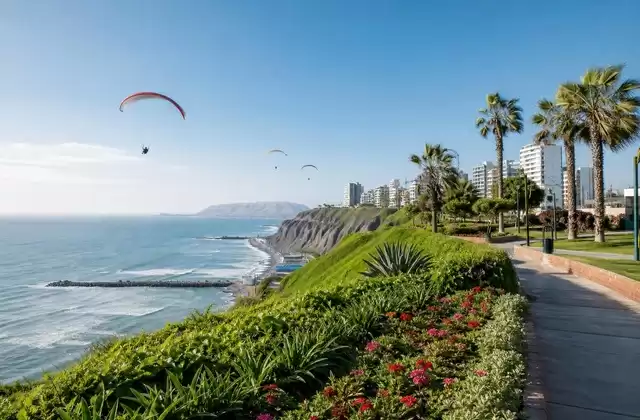
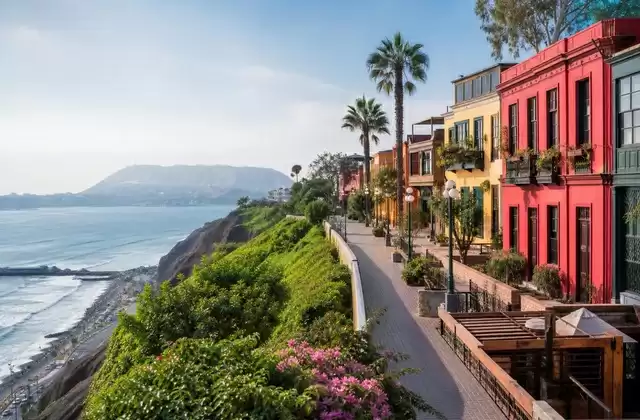
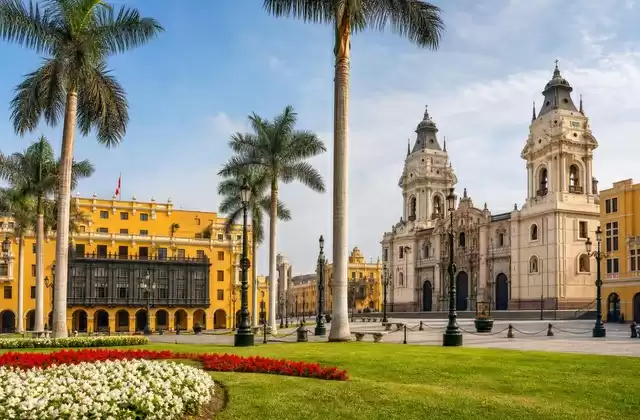
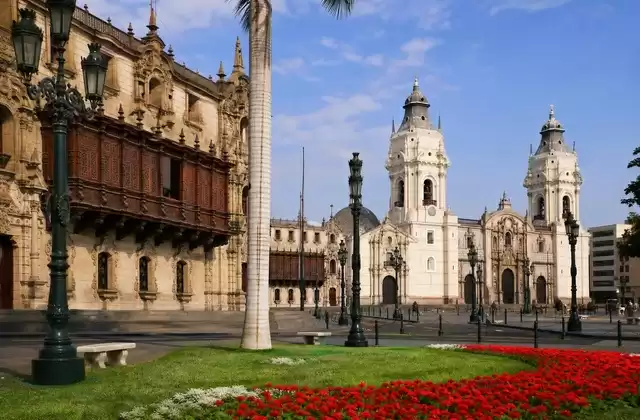
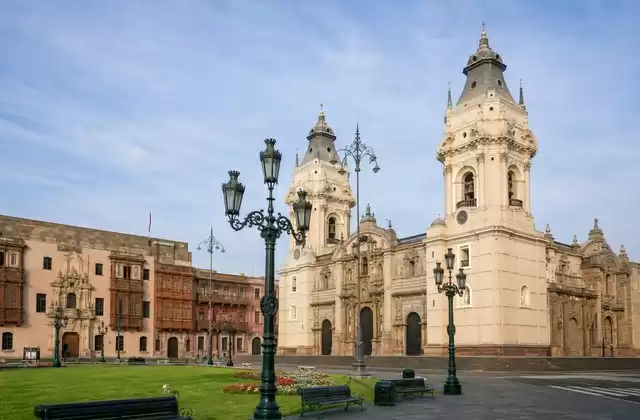
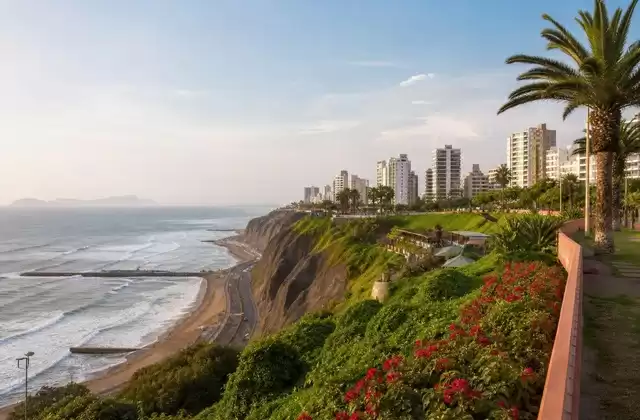
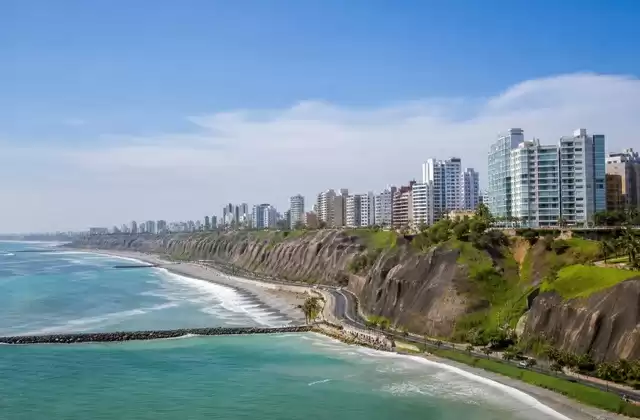
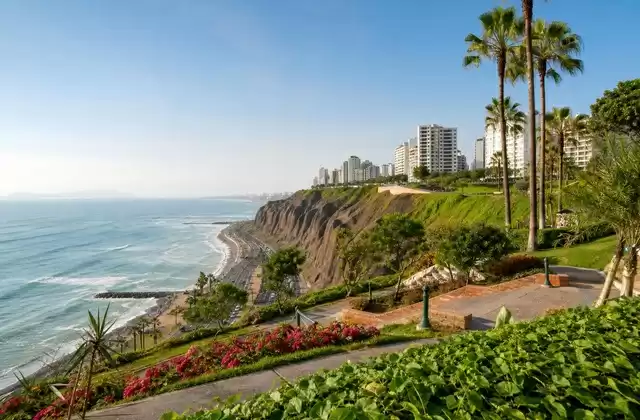
Lima, the capital of Peru, is a must for visitors to the region. The city boasts a number of interesting tourist sites, including the Museo de la Nación and the San Francisco Monastery. Its historic center boasts pleasant Creole architecture, such as the Torre-Tagle palace, while the cathedral is in colonial Baroque style.
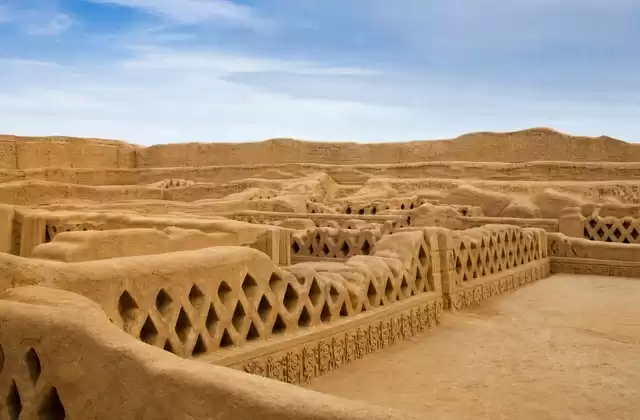
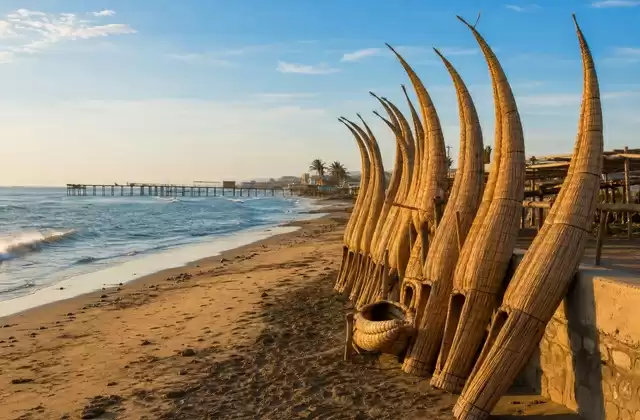
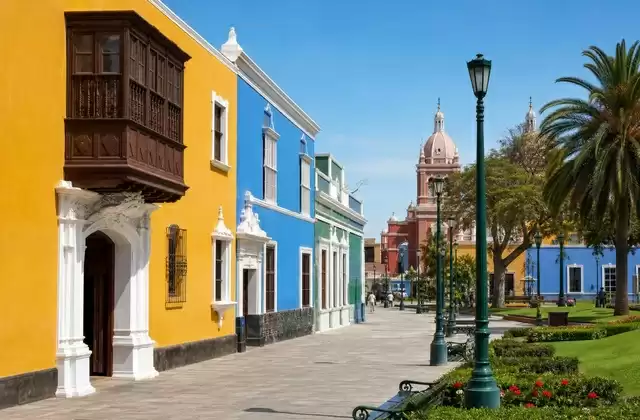
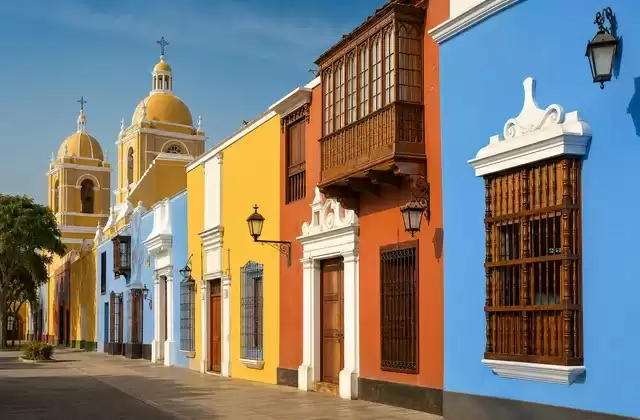
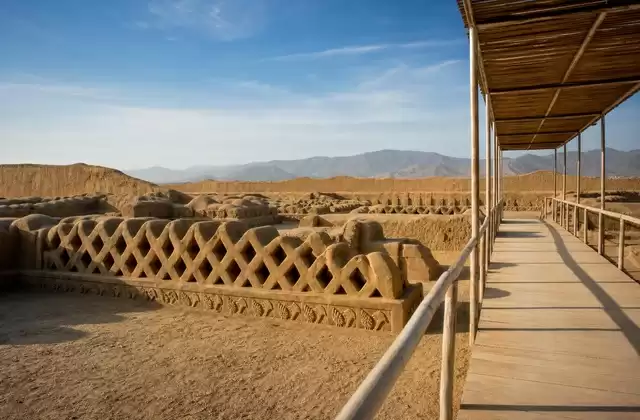
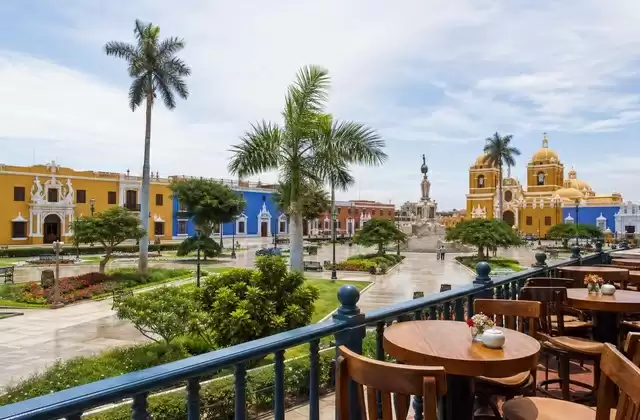
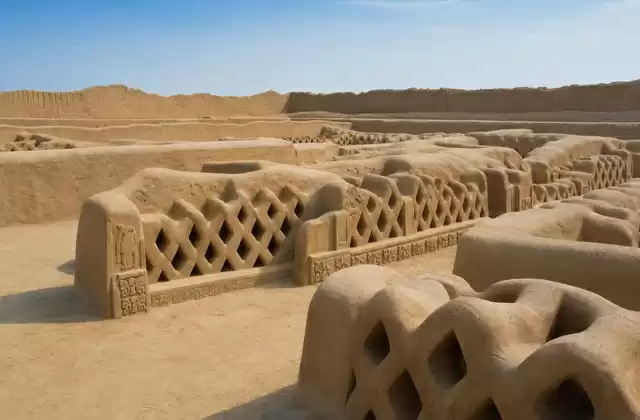
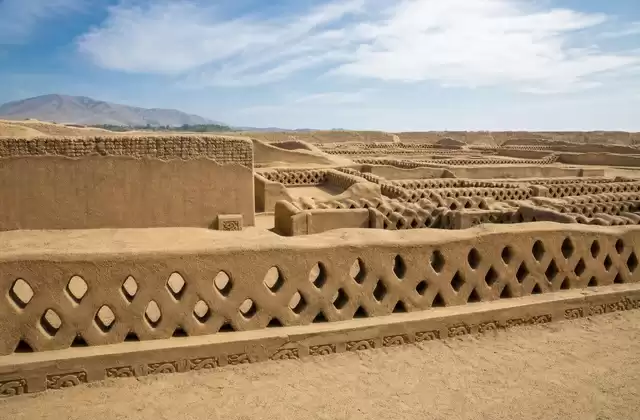
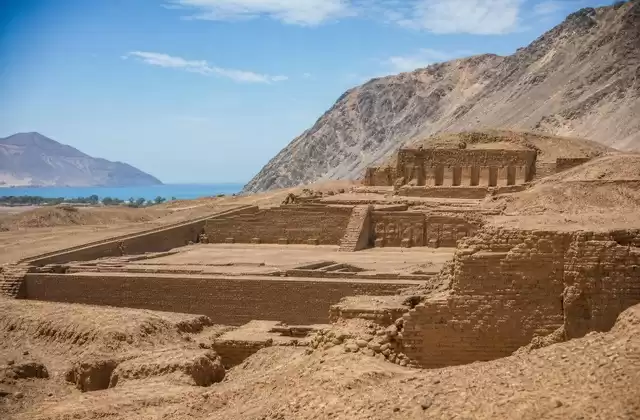
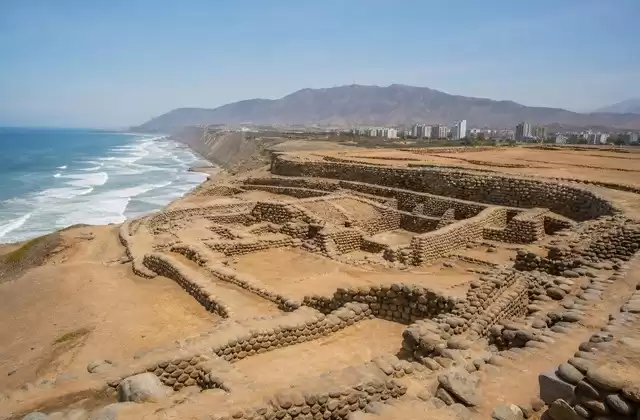
From Lima, you can easily set off to discover the mysterious Nazca lines. These figures, traced on the ground between 400 and 650, represent animals and humans, which you can admire from above thanks to airplane tours organized on site. Next, we head for Arequipa and its historic center, a UNESCO World Heritage Site. This village of colonial architecture was built entirely of white volcanic stone at the foot of the El Misti volcano. Situated at an altitude of 2,300 metres, it enjoys over 300 days of sunshine a year. The former capital of the Inca Empire, Cuzco still boasts many vestiges of that era. You can see 11th-century Inca walls, charming little streets and the fortress of Sacsayhuaman. But the real must-see in Peru is Machu Picchu and its sacred valley. Listed as a UNESCO World Heritage Site, this Inca site lost in the middle of the mountains was discovered in 1911 and continues to preserve its mysteries to this day. It can be reached via the Chemin de l'Inca, a forty-kilometre-long ancient road now used as a hiking trail. The highest lake in the world, at an altitude of 3,812 metres, Lake Titicaca lies on the border with Bolivia. Navigable, it boasts some forty floating reed islands, home to some 2,000 inhabitants. You can finish your tour of Peru with the coastal town of Trujillo. Here, you'll discover a historic center of colonial architecture, with sculpted balconies and ancient palaces. Not far away are the archaeological site of Chan Chan, and the pyramids of Huaca del Sol y la Luna.
A country with a variable climate
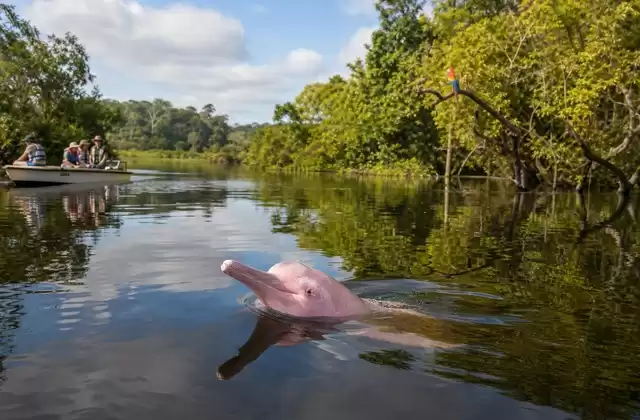
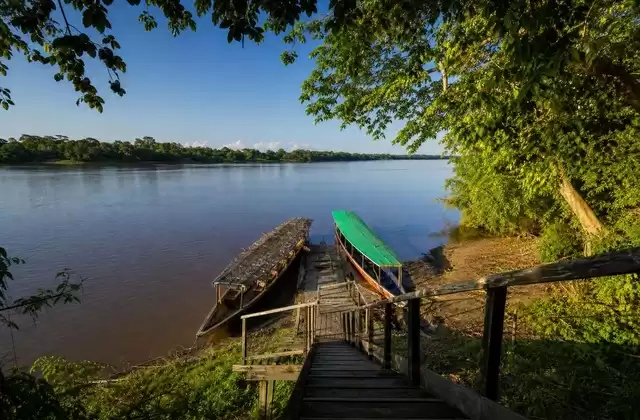
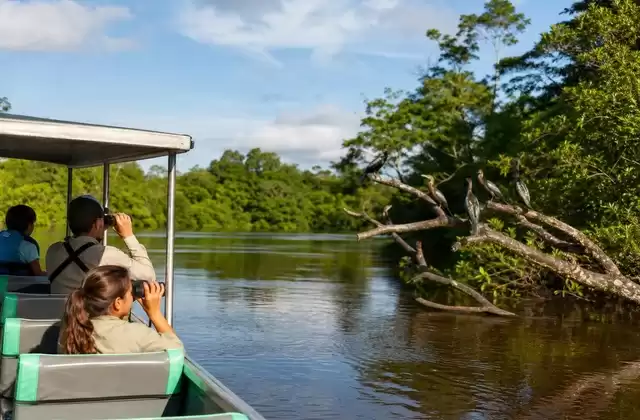
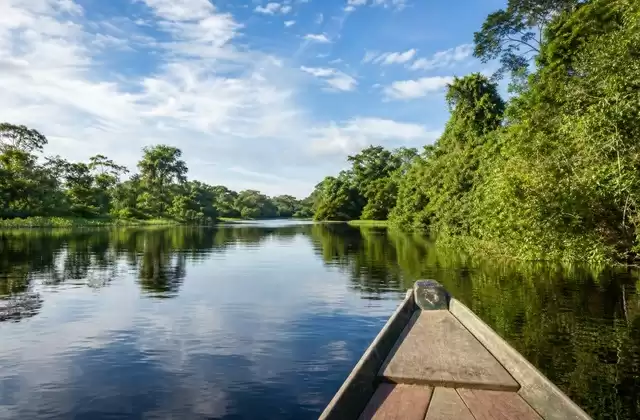
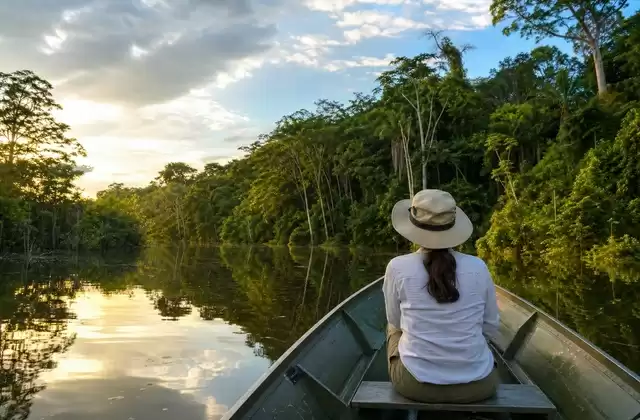
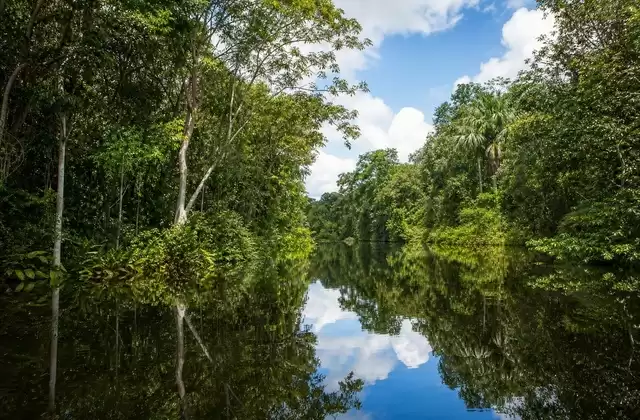
Peru has two main seasons, a wet one between October and April, and a dry one between May and September. It should be noted that the country's tropical zones are more humid between January and April, when festivals are held. The best times to explore Peru depend on the area you're visiting. The coast is most pleasant between December and March, when rain is rare, while the Andes are driest in May. The Amazon rainforest is best visited between April and November. Generally speaking, the shoulder seasons between September and November and March and May enjoy pleasant temperatures, and the country is less busy with tourists. In the low season, between December and February, several major tourist sites are closed, such as the Inca Trail, which is closed in February.

 + 1 (786) 8400111