 + 1 (786) 8400111


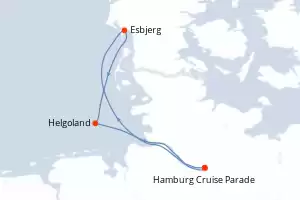
Itinerary : Hamburg Cruise Parade, Esbjerg, Helgoland, Hamburg Cruise Parade

On-board meals included
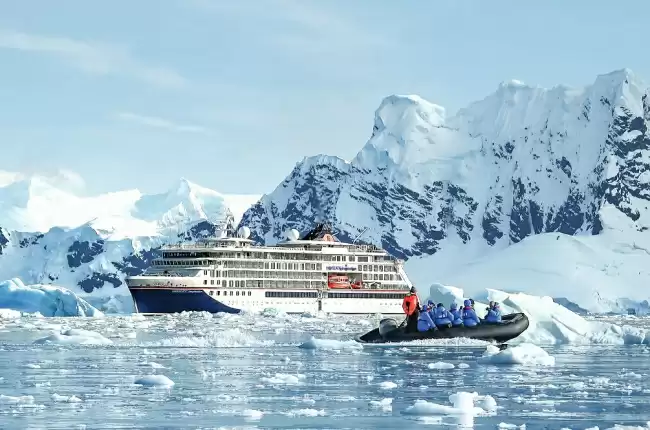
HANSEATIC nature
5 d
Ocean view Stateroom
Hamburg Cruise Parade
06/19/2028
from
$ 2,576
On-board meals included
View offers


1 cruises found
A Rhône River cruise lets you experience several sides of southern France in just a few days, from its food and history to its sun-drenched landscapes: stroll through Lyon's traboules, bouchons, and Halles Paul Bocuse; step back in time amid the Roman ruins and the Palace of the Popes in Vienne, Avignon, or Arles; or savor the art of living in the vineyards of Châteauneuf-du-Pape, the Ardèche Gorges, and the wide-open spaces of the Camargue.
The destination naturally blends heritage, regional food, wine, villages, and Provençal scenery into a warm river cruise experience deeply rooted in the landscapes of the Rhône.
Your search criteria:
Russia
Itinerary : Hamburg Cruise Parade, Esbjerg, Helgoland, Hamburg Cruise Parade
HANSEATIC nature
5 d
Ocean view Stateroom
Hamburg Cruise Parade
06/19/2028
from
$ 2,576


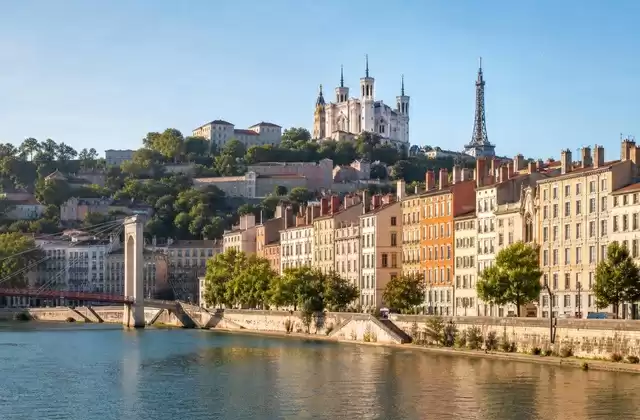
Arriving in Lyon, the capital of gastronomy
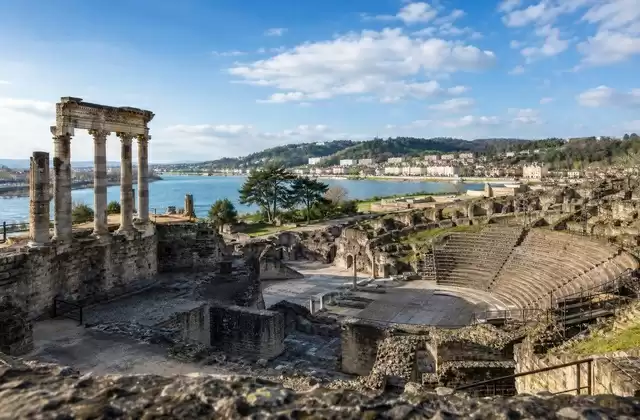
Gallo-Roman Vienne
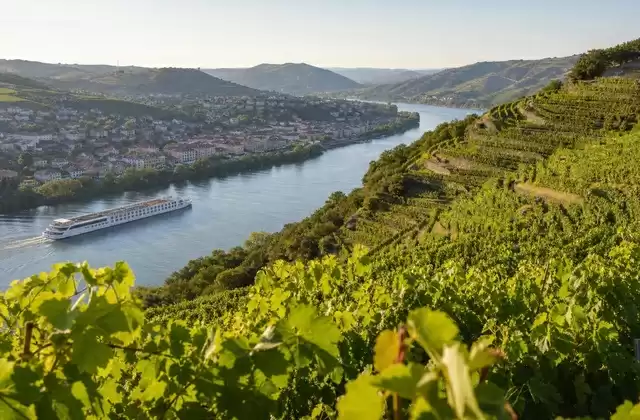
The vineyards of Tain-l'Hermitage
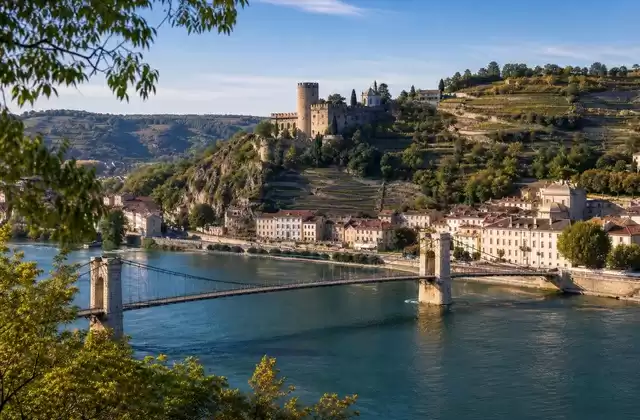
Tournon-sur-Rhône and the charm of both banks
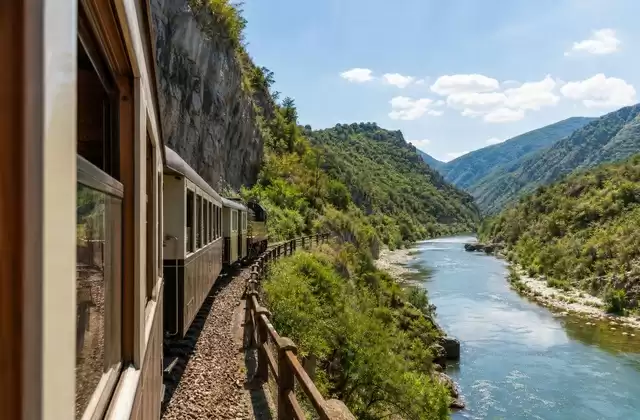
Train de l'Ardèche
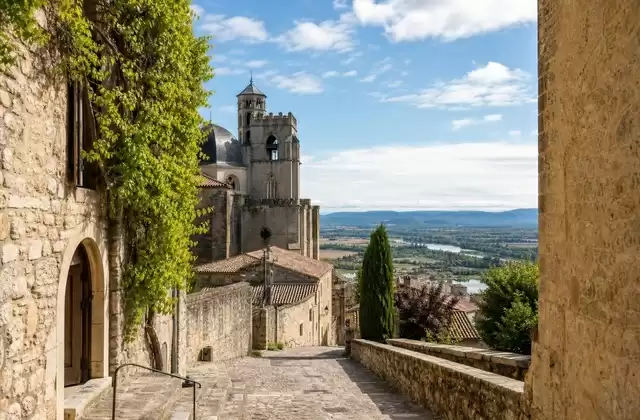
Viviers, the medieval gem of the Ardèche
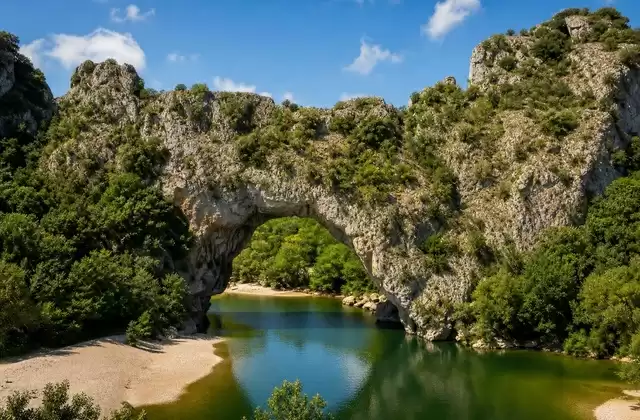
The Ardèche Gorges and Pont d'Arc
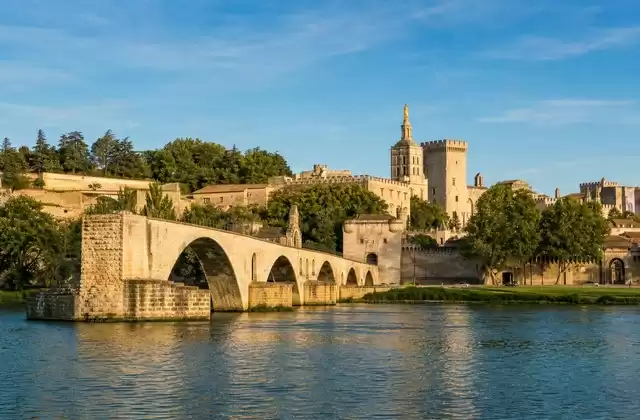
Avignon and the Palace of the Popes
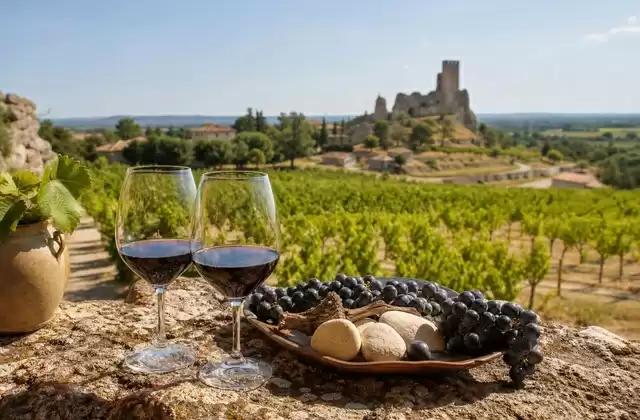
A tasting in Châteauneuf-du-Pape
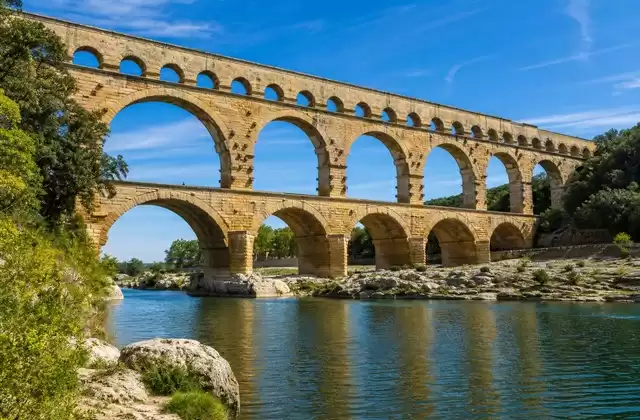
Pont du Gard
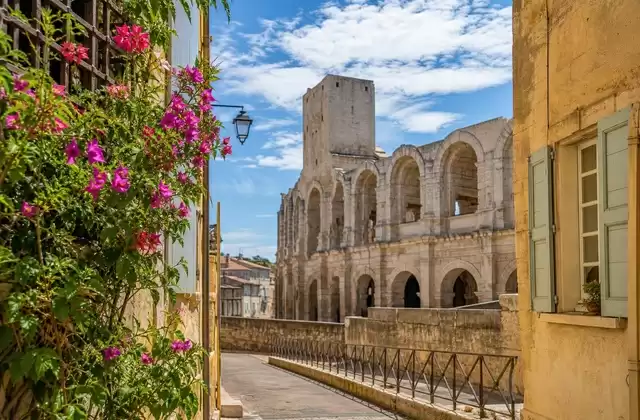
Arles: Roman arena and the light that inspired Van Gogh
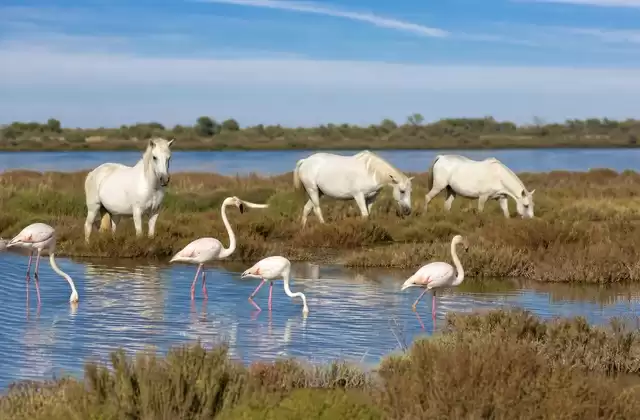
A Camargue excursion from Arles

Weather & conditions
Mild and in bloom. Beautiful sunny days with ideal temperatures (20–25°C).
Expert advice
The perfect season. The landscape is lush and green. To see Provence's lavender in bloom, plan your trip for late June.

Weather & conditions
Very hot and dry. Clear blue skies are virtually guaranteed, and cicadas sing throughout Provence.
Expert advice
A festive atmosphere, especially during the Avignon Festival. Plan archaeological excursions early in the morning to avoid the heat.
Weather & conditions
Southern France's Indian summer. Plenty of sunshine remains, with fall colors appearing in the vineyards.
Expert advice
An ideal choice for wine enthusiasts, particularly with AmaWaterways, who want to experience the excitement of harvest season.
| Season | Weather & conditions | Expert advice |
|---|---|---|
May–June Mild and in bloom. Beautiful sunny days with ideal temperatures (20–25°C). The perfect season. The landscape is lush and green. To see Provence's lavender in bloom, plan your trip for late June. | ||
July–August | Very hot and dry. Clear blue skies are virtually guaranteed, and cicadas sing throughout Provence. | A festive atmosphere, especially during the Avignon Festival. Plan archaeological excursions early in the morning to avoid the heat. |
September–October | Southern France's Indian summer. Plenty of sunshine remains, with fall colors appearing in the vineyards. | An ideal choice for wine enthusiasts, particularly with AmaWaterways, who want to experience the excitement of harvest season. |
From Lyon to the Mediterranean, the Rhône basin offers an extraordinary wealth of experiences. Here are the must-see places for every interest.
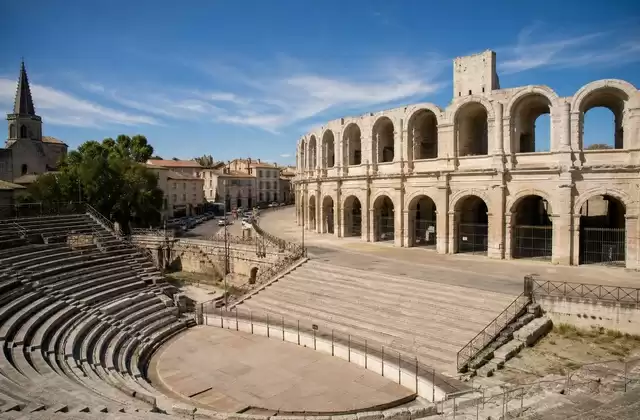
In Arles
The vast Roman amphitheater and ancient theater.
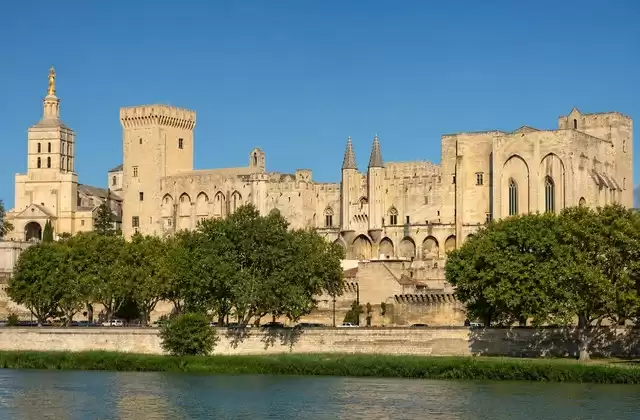
In Avignon
The magnificent Palace of the Popes, a testament to the city's power in the 14th century.
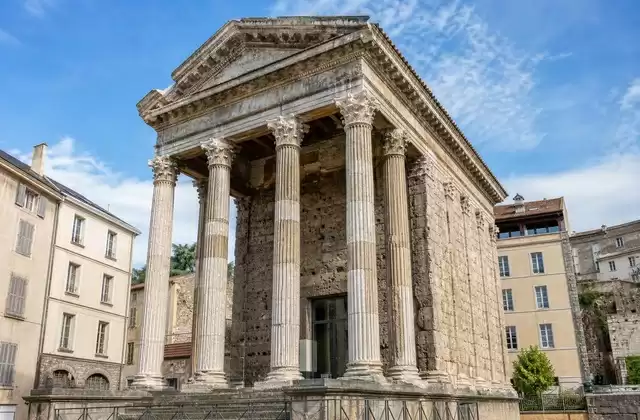
In Vienne
The remarkably well-preserved Temple of Augustus and Livia in the heart of the city.
In Arles
The vast Roman amphitheater and ancient theater.
In Avignon
The magnificent Palace of the Popes, a testament to the city's power in the 14th century.
In Vienne
The remarkably well-preserved Temple of Augustus and Livia in the heart of the city.
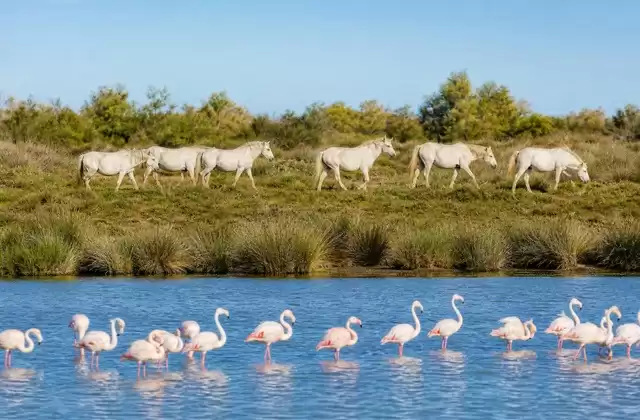
In the Camargue
The Rhône Delta, a nature reserve that is home to pink flamingos and white horses.
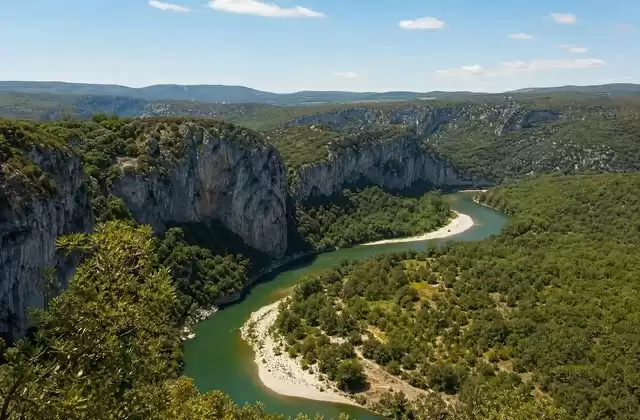
In the Ardèche
The excursion, often from Viviers, to the dramatic Ardèche Gorges.
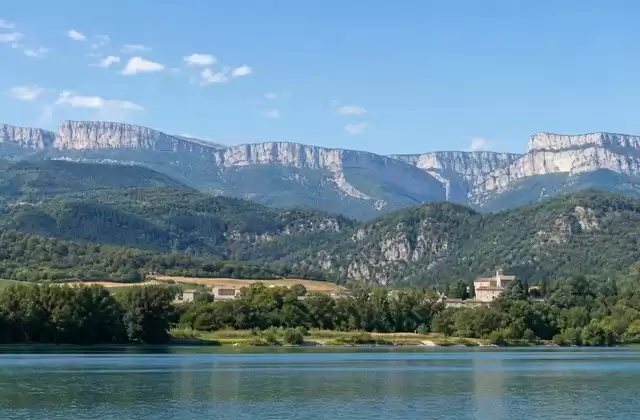
The Vercors
The rugged mountain scenery visible from the river near Tournon-sur-Rhône.
In the Camargue
The Rhône Delta, a nature reserve that is home to pink flamingos and white horses.
In the Ardèche
The excursion, often from Viviers, to the dramatic Ardèche Gorges.
The Vercors
The rugged mountain scenery visible from the river near Tournon-sur-Rhône.
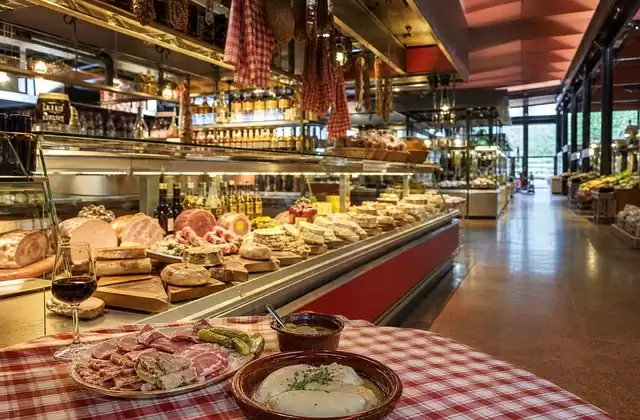
In Lyon
Halles Paul Bocuse and traditional "bouchons" for charcuterie and quenelles.
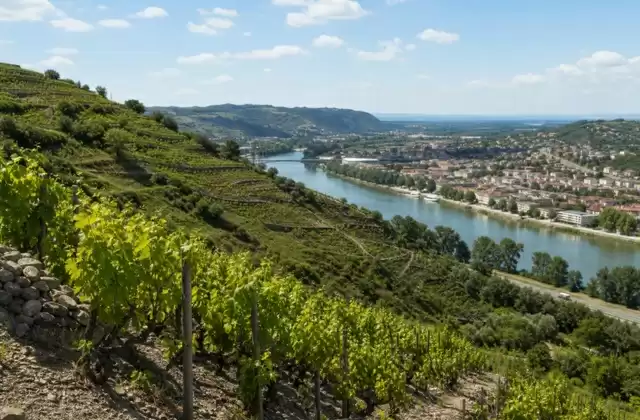
In Tain-l'Hermitage
The steep hillsides where renowned Côtes du Rhône wines are grown (and the Cité du Chocolat Valrhona!).
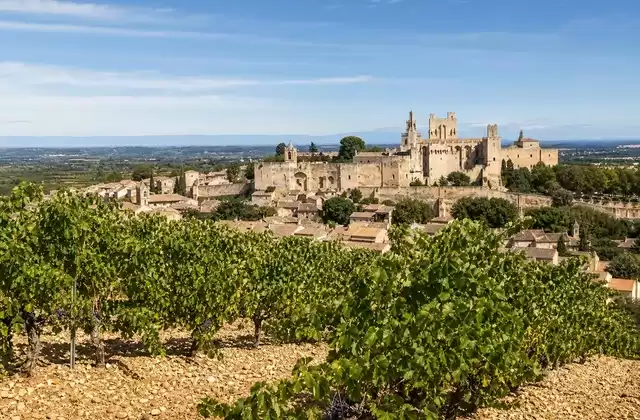
In Châteauneuf-du-Pape
Prestigious wine estates scattered around the popes' former summer residence.
In Lyon
Halles Paul Bocuse and traditional "bouchons" for charcuterie and quenelles.
In Tain-l'Hermitage
The steep hillsides where renowned Côtes du Rhône wines are grown (and the Cité du Chocolat Valrhona!).
In Châteauneuf-du-Pape
Prestigious wine estates scattered around the popes' former summer residence.
Savoring the Rhône through Lyon's bouchons, wines, and regional specialties
Travelers often name the culinary scene as one of the great pleasures of a Rhône River cruise. Lyon, Tain-l’Hermitage, and Châteauneuf-du-Pape stand out for their food halls, bouchons, wine tastings, chocolate, local fare, and the sense of following a river where every port has its own specialty.
Strolling through historic cities along the Rhône and across Provence
Avignon, Arles, Vienne, and Lyon often feature in reviews because their heritage sites are so easy to reach from the ship. Travelers enjoy going from Lyon's traboules to Roman ruins, then on to the Palace of the Popes or Provençal lanes, with stops that combine history, sidewalk cafés, and a southern French atmosphere.
Exploring southern landscapes: the Ardèche, Camargue, and villages
Nature experiences also receive high praise because they offer a change of pace between cultural stops. Travelers love the Ardèche Gorges, terraced vineyards, medieval villages, and the Camargue for their wide-open landscapes, scenic roads, horses, birds, and the feeling of slowly discovering Provence along the river.
Exploring Croix-Rousse, from silk workers' traboules to views over Lyon
In Lyon, travelers eager to venture beyond Halles Paul Bocuse and the traditional bouchons often enjoy Croix-Rousse for its hills, stairways, traboules, and history tied to the canuts, Lyon's historic silk weavers. The neighborhood turns a distinctly Lyonnais walk into a series of tangible discoveries: the tall façades of former workshops, a farmers market, small squares, and views across the city as you descend toward the riverbanks.
Viewing Avignon from Barthelasse Island: the Rhône, ramparts, and Pont Saint-Bénézet
In Avignon, travelers often talk about the Palace of the Popes and the bridge, but Barthelasse Island offers another perspective on the city. From the opposite bank, a broader view takes in the ramparts, the Rhône, Pont Saint-Bénézet, and the old façades, in an atmosphere far calmer than the historic center.
Strolling through the Arles market among Provençal flavors and Camargue products
In Arles, travelers often enjoy the market because it complements the arena and Roman lanes with a slice of everyday life. Stalls stretch along the boulevards, offering fruit, cheese, spices, olives, honey, olive oil, Arles sausage, Camargue rice, and snacks to enjoy on the spot.
Winston Churchill described Russia as a riddle wrapped in mystery, at the heart of an enigma, and he wasn't kidding. Indeed, Russia doesn't reveal its secrets easily, and just when you think you've seen it all, there's still more to discover! Saint Petersburg, built on the initiative of Tsar Peter the Great, is unlike any other Russian city. A complete departure from the rusticity of traditional Russia, St. Petersburg is the embodiment of excess and glittering luxury. The Winter Palace and the Hermitage Museum bear witness to the Tsar's desire to approach the splendor of other European courts.
More traditionalist, but no less fascinating, Moscow also appeals to lovers of old buildings, the legacy of Lenin and Stalin's communism. The Kremlin, Red Square, the Basilica of Basil the Blessed and Lenin's mausoleum are just some of the interesting sites you can visit in Moscow. To the northeast of the city lies the Golden Ring region, a veritable open-air museum of the ancient cities of the princes and tsars of the Russian Empire. Along the Volga, you'll discover citadels adorned with golden domes, centuries-old cathedrals and monasteries. You thought you'd seen all of Russia's emblematic monuments? No, Kaliningrad is still jealously guarded by vestiges of Russia's historic past. As well as being an architectural masterpiece, the Gothic cathedral houses a museum dedicated to the philosopher Immanuel Kant. It's well worth a visit, if only to learn more about this man of letters.
Moscow also boasts an extraordinary wealth of natural beauty, which you can admire during your stay in the Ural region. Situated at the crossroads of two continents, the Ural region continues to be a magnet for adventure-seeking adventurers. Here, the panorama is exceptional. You'll pass from snow-capped peaks to valleys criss-crossed by peaceful rivers and tundra that stretches as far as the eye can see. The Pechora and Ilych Nature Reserve is the ideal place to enjoy the Ural landscape. Your walks in the Urals may also bring you some surprising encounters, such as the brown bear that reigns supreme in these parts, or the Ural owl, which doesn't let itself be approached easily.
Russia opens its doors to visitors all year round. However, to make the most of the beauty of the landscape, it's best to plan your visit during the warmer months. July and August are the warmest months, and therefore the best for walking. If you like to travel against the current, to avoid the crowds of holidaymakers, you can plan your stay a little earlier, between May and June. In September and October, autumn begins to show its face, and Russia is decked out in its golden hue, offering you an unparalleled spectacle.